
How Automated Trading is Transforming Financial Markets
Crypto Market Safety and Ethics
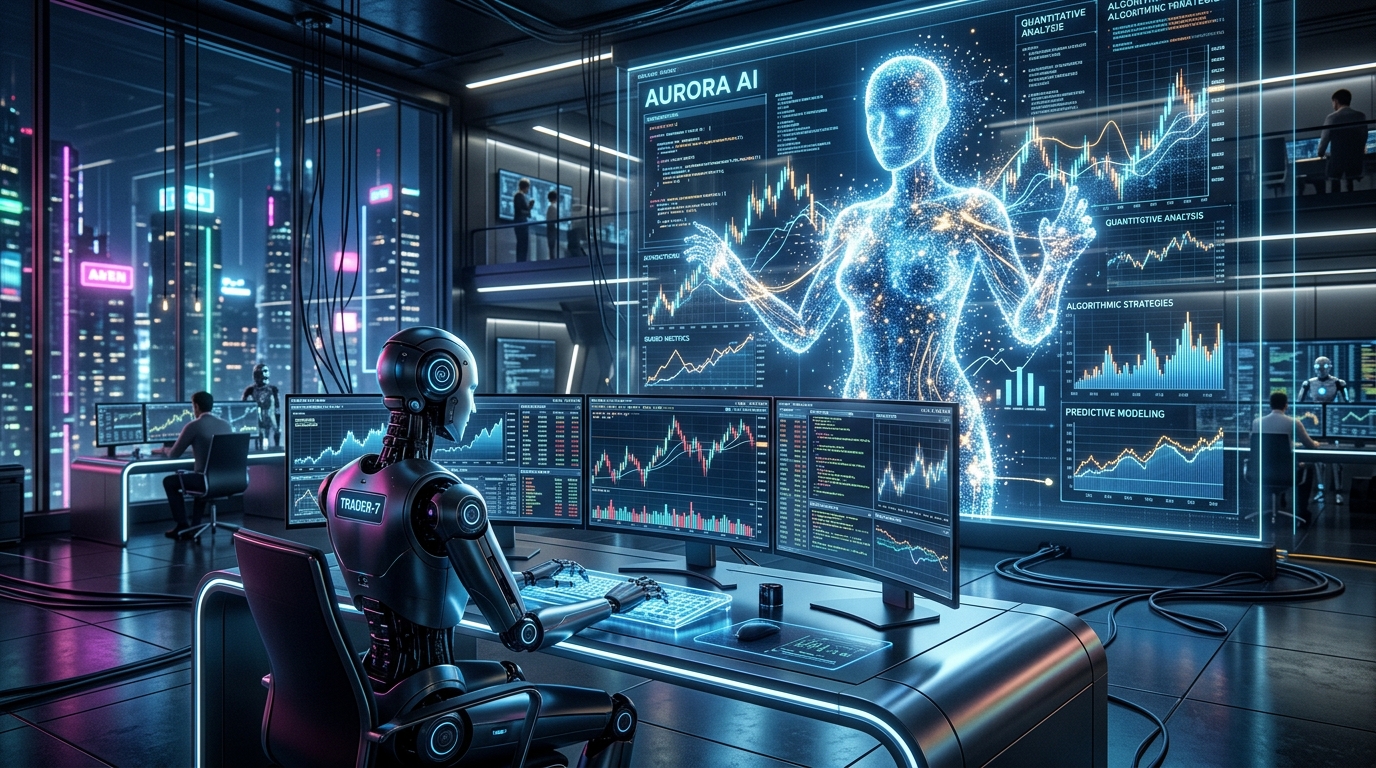
The rise of automation in financial markets is fundamentally altering trading practices. Originating from basic algorithmic trading, the field has expanded to embrace intricate machine-learning models, making automated systems invaluable for both institutional and individual traders. This article delves into the transformative impact of automated trading on financial markets, examining its core technologies, strategies, advantages, challenges, and the ethical dilemmas it presents.
Understanding Automated Trading
Automated trading involves leveraging computer systems to carry out trades based on predefined algorithms without human oversight. These systems scrutinize market data instantaneously, executing decisions with a speed and accuracy that far surpasses human capabilities. The evolution of automated trading can be traced back to the late 1970s, progressing from simple rule-based frameworks to advanced platforms that integrate artificial intelligence (AI) and machine learning techniques.
Technological Influence in Automated Trading
The advancement of technology has significantly propelled the evolution of automated trading. With the integration of artificial intelligence and machine learning, trading platforms can continuously refine their strategies, recognizing trends and enhancing their operational efficiency. High-frequency trading (HFT) has transformed the landscape, enabling the execution of numerous trades within fractions of a second to capitalize on slight price variances. Additionally, the advent of cloud technology, extensive data analysis, and enhanced connectivity allows traders to utilize these sophisticated algorithms worldwide, ensuring real-time access to markets around the clock with minimal delays.
Understanding Automated Trading Systems
Automated trading systems operate through algorithms—detailed sets of rules and directives that are programmed in various coding languages. These systems can range from straightforward strategies, such as executing a buy order when a stock reaches a specific threshold, to intricate AI-powered frameworks that analyze past performance to forecast future market movements.
Categories of automated trading systems include:
- Algorithmic Trading Systems: Carry out trades based on clearly defined, established parameters.
- Intelligent Trading Algorithms: Evolve through ongoing analysis, harnessing extensive datasets to refine trading approaches over time.
- Integrated Trading Models: Fuse traditional techniques with advanced machine learning to boost trading efficacy and outcomes.
- blog_three_question_4.subtitle_4: blog_three_question_4.desc_4
Varieties of Automated Trading Approaches
Each approach utilizes advanced algorithms, necessitating meticulous adjustment and strategic risk management.
Automated trading employs various strategies tailored to specific market dynamics and objectives. Notable examples include:
- Arbitrage Techniques: These take advantage of discrepancies in pricing between different markets or exchanges.
- Momentum Trading Approaches: These concentrate on capitalizing on prevailing market trends, purchasing during upward movements and liquidating during declines.
- Reversion to Mean Strategies: Seize the opportunity to benefit from the tendency of prices to return to their average levels following notable fluctuations.
- Strategies for Market-Making: Generate profits by executing concurrent buy and sell orders, capitalizing on the difference between the buying and selling price.
Advantages of Automated Trading Systems
Automated trading systems bring forth numerous benefits that surpass traditional trading methods. Notable advantages include:
The realm of automated trading is rich with opportunities, enhancing efficiency and accuracy.
- Rapid Execution: Advanced algorithms can perform trades in milliseconds, seizing fleeting market opportunities that might otherwise be lost.
- Minimization of Errors: Automated trading removes the potential for human mistakes and emotional reactions, fostering reliable and steady outcomes.
- Around-the-Clock Trading: These intelligent systems function nonstop, allowing traders to capitalize on every market movement without interruption.
- Strategy Testing and Enhancement: Traders can refine their strategies by simulating them against historical market data, enhancing effectiveness while reducing exposure to potential losses.
Automated Trading: Risks and Obstacles
Unlocking Potential with Crypto Trading Engaging in crypto trading through Kingsley Tradex opens the door to a world of financial opportunity. With the rapid expansion of digital currencies, traders can benefit from unprecedented market volatility, allowing for significant profit potential. Unlike traditional investments, cryptocurrencies operate 24/7, providing flexibility and the ability to capitalize on market movements at any time. Kingsley Tradex equips you with advanced trading tools and analytics that enhance decision-making, helping you navigate this dynamic landscape effectively. Our platform offers real-time data and insights, empowering you to make informed trades. Additionally, our user-friendly interface ensures that both novice and experienced traders can leverage the full potential of the crypto market without unnecessary complexity. The benefits extend beyond mere trading; by participating in the crypto ecosystem, you are positioning yourself at the forefront of financial innovation. Join a community of forward-thinkers who are reshaping the future of finance. With Kingsley Tradex, you’re not just trading; you’re investing in the evolution of currency itself.
Though automated trading presents numerous advantages, it carries inherent risks. Significant challenges include:
- Risks Associated with Market Fluctuations: Automated trading platforms can amplify market instability, particularly during unexpected downturns or sudden sell-offs, where frantic selling can escalate dramatically.
- Sudden Market Declines: For instance, in 2010, a trading algorithm triggered a swift market plunge, erasing billions of dollars in mere moments.
- Systemic Vulnerabilities: Technical glitches, service interruptions, or flaws in programming can lead to considerable financial setbacks.
- blog_three_question_7.subtitle_4: blog_three_question_7.desc_4
The Influence of Automated Trading on Worldwide Financial Markets
The rise of automated trading has revolutionized market dynamics, enhancing both liquidity and operational efficiency. By facilitating rapid and frequent transactions, it has led to a more fluid marketplace across various asset classes. Nevertheless, this shift has diminished the necessity for human traders, as technology increasingly assumes roles traditionally filled by people, thereby transforming the landscape of financial employment.
Diverse Applications of Automated Trading
Automated trading platforms exhibit remarkable adaptability, functioning effectively across multiple markets, such as:
- Stocks: Algorithmic trading in stocks is highly advanced, leveraged by both institutional investors and individual market participants.
- Foreign Exchange: Automated trading technologies have transformed the cryptocurrency landscape, swiftly adapting to significant market events and trends.
- Assets: From precious metals to energy resources, asset markets thrive on algorithmic trading approaches that capitalize on price fluctuations.
- Digital Currencies: The dynamic nature of digital currency markets makes them ideal for automated trading systems capable of reacting instantly to market shifts.
Navigating Regulatory Landscapes
The governance of automated trading systems is vital for maintaining market integrity. Regulatory organizations such as the FCA and ESMA have established guidelines to mitigate risks and promote transparency. Yet, as AI technologies evolve, these bodies encounter difficulties in adapting to rapid advancements. Additionally, ethical dilemmas emerge, especially regarding the prevention of algorithmic market manipulation.
Institutional Investors and Their Use of Automated Trading
Institutional investors, including hedge funds and proprietary trading entities, increasingly depend on automated trading solutions to enhance their performance. Quantitative analysts, known as 'quants,' craft intricate models that leverage extensive datasets, artificial intelligence, and machine learning to surpass conventional trading techniques. A significant portion of hedge fund success can be attributed to automated strategies, exemplified by firms like Two Sigma.
Automated Trading Solutions for Retail Traders
The recent surge in technology has made automated trading accessible to retail traders. Tools like NinjaTrader and cTrader provide straightforward access to trading algorithms, while platforms for social trading enable users to replicate the successful approaches of seasoned traders. Retail investors can also design or acquire personalized trading bots to streamline their trading methods.
The Evolution of Automated Trading
The landscape of automated trading is poised for transformation as AI and machine learning technologies advance. Emerging innovations, such as quantum computing, promise to enhance trading capabilities by analyzing vast datasets at unprecedented speeds. In the coming years, we anticipate a significant shift towards automation in financial markets, leading to a decreased reliance on traditional trading methods.
Ethical Implications of Automated Trading
Ensuring transparency is vital for maintaining fairness in automated trading environments. It is essential that algorithms are crafted to avert market manipulation and provide equal access to trading opportunities. Striking a balance between the advantages of automation and the necessity for ethical conduct in the markets remains a critical concern for both regulators and participants alike.
Insights from Automated Trading Case Studies
- The 2010 Flash Crash: This incident served as a stark reminder of the risks associated with automated trading systems, where algorithmic triggers led to rapid sell-offs, resulting in a dramatic market decline within mere minutes.
- Success Narratives: Prominent trading firms such as Citadel and AQR Capital Management have harnessed advanced algorithms to consistently exceed market expectations, establishing new standards within the investment landscape.
Common Inquiries (FAQs)
- 1. What is algorithmic trading? Algorithmic trading involves using computer programs to carry out trades automatically, eliminating the need for manual input.
- 2. What distinguishes high-frequency trading from traditional trading? High-frequency trading is a strategy that executes numerous trades in rapid succession, leveraging minute fluctuations in asset prices.
- 3. Is there no risk associated with automated trading? Indeed, while automated trading minimizes human errors, it remains susceptible to risks such as technical glitches and unpredictable market shifts.
- 4. Are retail investors able to participate in automated trading? Certainly, various platforms empower retail investors to develop or implement their own automated trading techniques.
- 5. What methods do regulators use to oversee automated trading? Regulatory authorities employ a diverse array of monitoring techniques, including instantaneous tracking systems and established regulatory frameworks.
- 6. Which technologies are essential for automated trading systems? Essential technologies encompass artificial intelligence, deep learning, cloud infrastructure, and ultra-fast internet connectivity.
Conclusion: The Changing Dynamics of Financial Markets Through Automation
The rise of automated trading is reshaping financial markets, enhancing efficiency, accelerating transaction speeds, and enabling advanced trading methodologies. As technologies like AI, machine learning, and quantum advancements progress, the future of automated trading will hinge on its capacity for innovation while ensuring market integrity.